The Veneers Myth That Stops People From Getting Them: Do You Really Have to Shave Your Teeth?
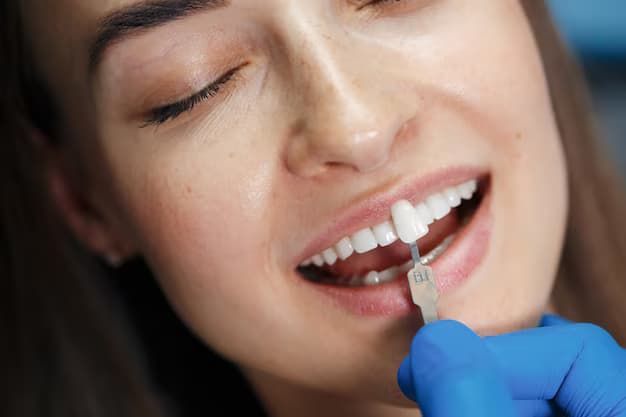
Not every porcelain veneer requires significant tooth reduction. Modern veneer treatment is personalized and many patients need only minimal preparation to create space for the veneer. The amount of enamel that may be adjusted depends on factors such as tooth position, bite, alignment and the final appearance you're hoping to achieve.
For many people, the idea of getting
porcelain veneers is exciting until they hear one sentence that changes everything:
"They shave your teeth down."
That belief has discouraged countless people from exploring cosmetic dentistry, even when veneers could help them achieve the smile they've wanted for years. While stories online make the procedure sound dramatic, modern dentistry has changed significantly. Today's veneer techniques are more conservative than many people realize and treatment is tailored to each patient's smile rather than following the same process for everyone.
At Tiralosi Dental & Med Spa, one of the most common questions we hear during cosmetic consultations is, "How does Porcelain Veneers work?" Patients are surprised to learn that the answer depends on their teeth, their bite and their smile goals not on outdated myths.
Where Did the "Shaved Teeth" Myth Come From?
Years ago, cosmetic dentistry relied on more aggressive preparation techniques.
In some cases, larger amounts of enamel were removed to make room for thicker materials or to correct certain cosmetic concerns. Images of heavily prepared teeth became widely shared online, leading many people to believe that every veneer procedure looked the same.
Fortunately, cosmetic dentistry has continued to evolve.
Today's porcelain materials are thinner, stronger and designed to preserve as much healthy tooth structure as possible whenever appropriate.
That means many patients experience a much more conservative approach than they expected.
How Does Porcelain Veneers Work?
When patients ask, "How does Porcelain Veneers work?", they are expecting a simple answer. In reality, the process involves careful planning before any treatment begins.
First, your dentist evaluates your oral health, bite and smile goals. Healthy teeth and gums are essential before cosmetic treatment is considered.
Next, digital photographs, impressions or scans help plan your future smile. This allows your dentist to design veneers that complement your facial features rather than creating a one-size-fits-all appearance.
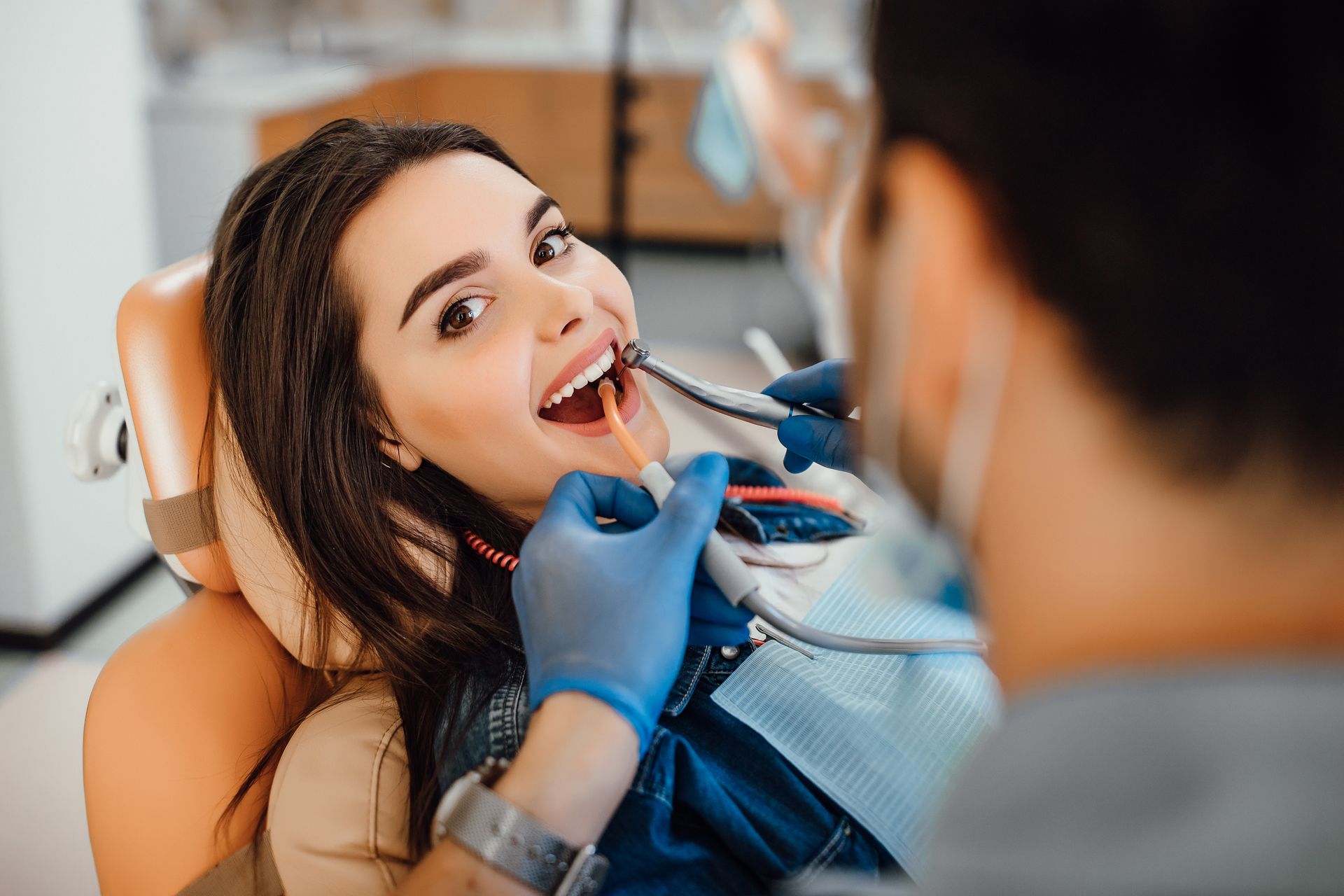
If preparation is needed, only the amount necessary for your individual case is completed. Custom porcelain veneers are then created to fit your teeth precisely before being securely bonded into place.
The result is designed to look natural, feel comfortable and function like part of your smile.
Why Every Patient's Treatment Is Different
No two smiles are exactly alike.
Someone with small gaps between their teeth may require a different approach than someone with worn enamel or crowded teeth. Bite alignment, tooth shape and overall oral health all influence treatment planning.
This is why the answer to "How does Porcelain Veneers work?" is never exactly the same for every patient.
A personalized consultation allows your dentist to determine whether veneers are appropriate and how much, if any, preparation will be required.
Modern Veneers Focus on Preserving Healthy Teeth
One of the biggest changes in cosmetic dentistry is the emphasis on preserving healthy enamel whenever possible.
Rather than automatically removing more tooth structure, dentists now carefully evaluate how to achieve attractive results while protecting the natural tooth underneath.
Advances in digital smile planning and porcelain materials allow treatment to be more precise than ever before.
For many patients, this conservative approach makes veneers a more comfortable and predictable option than they originally imagined.
Why Consultation Matters More Than Online Advice
The internet is filled with dramatic before-and-after photos, personal opinions and stories that may not reflect today's dental techniques.
While online research can be helpful, it cannot replace an individual evaluation.
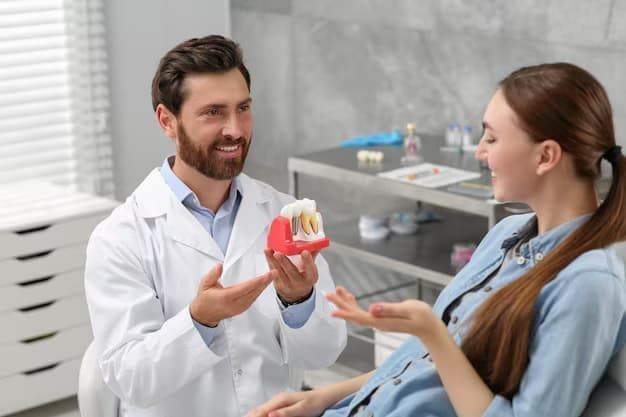
A consultation gives you the opportunity to ask questions, understand your treatment options and learn exactly how veneers would be planned for your smile.
Instead of wondering "How does Porcelain Veneers work?", you'll receive answers based on your own teeth rather than someone else's experience.
At Tiralosi Dental & Med Spa, we believe patients make the best decisions when they have clear information and realistic expectations. Our goal is to recommend cosmetic treatment only when it supports both the appearance and long-term health of your smile.
Looking Beyond the Myth
The biggest barrier to porcelain veneers is not the treatment itself, it's outdated information.
Modern cosmetic dentistry focuses on personalization, precision and preserving healthy tooth structure whenever possible. While some patients may require enamel preparation, others may need only minimal adjustment depending on their individual case.
If you've been asking, "How does Porcelain Veneers work?", the best place to start is with a professional consultation.
Understanding how veneers are planned today, not how they were performed years ago can help you decide whether they're the right option for your smile.
Frequently Asked Questions
Do porcelain veneers always require teeth to be shaved?
No. Many patients need only minimal tooth preparation. The amount of enamel adjusted depends on your individual dental condition and the type of result you're trying to achieve.
Are porcelain veneers permanent?
Because some patients require a small amount of enamel preparation, porcelain veneers are generally considered a long-term treatment. Your dentist will explain what this means for your specific situation during your consultation.
Can everyone get porcelain veneers?
Not always. Your teeth and gums should be healthy before cosmetic treatment begins. A dental evaluation helps determine whether veneers are the best option or if another treatment would better meet your needs.