Ceramic Dental Implants: Candidacy, Process, Benefits & Material Comparison
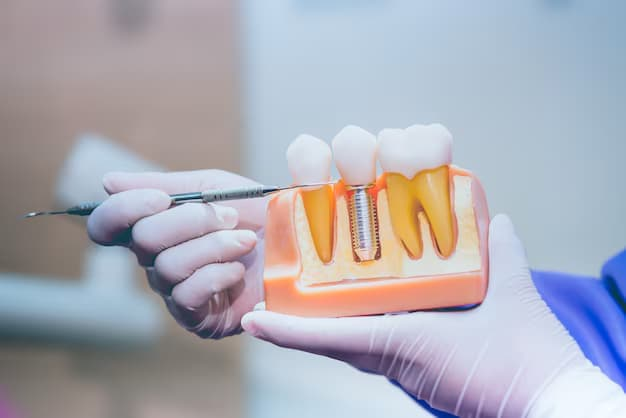
Ceramic dental implants are usually made from zirconia, a strong ceramic material used to replace missing teeth. The implant is placed in the jawbone, and can later support a dental crown or another restoration. For someone looking for a metal-free implant, zirconia may be worth considering. The material is also tooth-colored, which can be a plus when an implant is being placed in an area that shows when you smile.
The material is only part of the decision. The dentist also needs to look at the jawbone, gums, bite, location of the missing tooth, and the type of restoration planned. Sometimes the answer is fairly straightforward. Other times, another treatment has to happen first.
What is the difference between ceramic and titanium dental implants?
Ceramic implants are generally made from zirconia. Traditional dental implants are usually made from titanium. Both are designed to integrate with the jawbone, and provide support for a replacement tooth.
Titanium has been used in implant dentistry for decades and has a long clinical history. Zirconia gives patients a metal-free alternative. Since zirconia is tooth-colored, some people also prefer the way it looks, particularly when the implant is being used toward the front of the mouth.
The designs aren't always the same, either.
Titanium implant systems come in many configurations. Zirconia systems can have fewer design choices, depending on the manufacturer. The ceramic dental implant procedure may also involve different planning considerations based on the implant system selected.
Bone quality, gum health, implant position, bite forces, restoration needs and the dentist's experience with the implant system all matter. A material that works well for one patient may not be the best fit for another.
Who is a good candidate for ceramic dental implants?
A good candidate generally has enough jawbone to support the implant, healthy gums, and enough room for the implant and final restoration.
That sounds simple. It isn't always.
The dentist may need to look at several things before treatment, including:
- Jawbone volume and density
- Gum health
- Remaining teeth
- Bite and available space
- Location of the missing tooth
- Oral hygiene
- Smoking or tobacco use
- Medical and dental history
Not having enough bone doesn't automatically rule out an implant. Bone grafting may sometimes be used to build up the area before placement.
Gum disease is another issue. Active gum disease generally needs to be treated first. Patients who grind or clench their teeth may need additional planning too, since heavy biting forces can put extra stress on an implant and its crown.
A dental examination and appropriate imaging are needed before a dentist can say whether ceramic implants are a reasonable option.
How does the ceramic dental implant process work?
Ceramic implant treatment usually happens in stages. There is the initial examination, implant placement, a healing period and then the final restoration.
The whole thing can take several months.
1. Evaluation and planning
The dentist examines the mouth and may take X-rays, digital scans, or 3D images. These show the available bone and the structures around the implant site.
From there, the dentist can decide where the implant should go and how the final crown should be planned.
2. Implant placement
The ceramic implant is surgically placed into the jawbone. Local anesthesia is generally used, so the treatment area is numb during the procedure.
Sedation may also be available for appropriate patients.
3. Healing
This is the waiting stage.
The jawbone needs time to connect with the implant. That process is called osseointegration. Once the implant has become stable it can support the restoration.
Healing time varies from person to person, so there's no single number that fits every case.
4. Crown placement
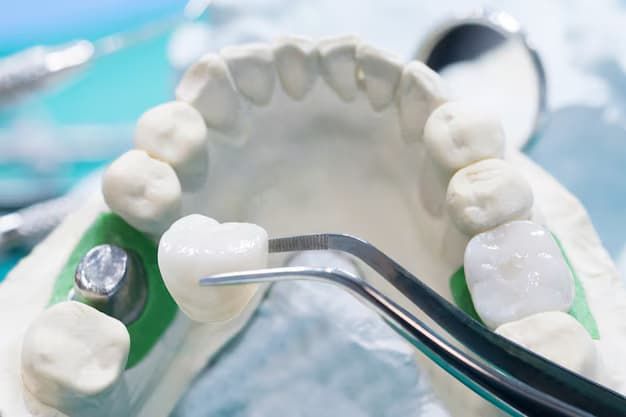
After the implant has healed and the dentist confirms that it's stable the final restoration can be attached.
A custom crown can be shaped and shaded to blend with the surrounding teeth. In a straightforward case the entire process from implant placement to the final crown may take several months. Bone grafting or another preparatory procedure can make the timeline longer.
What are the benefits of ceramic dental implants?
Ceramic dental implants give patients another option for replacing a missing tooth, especially when a metal-free material is preferred.
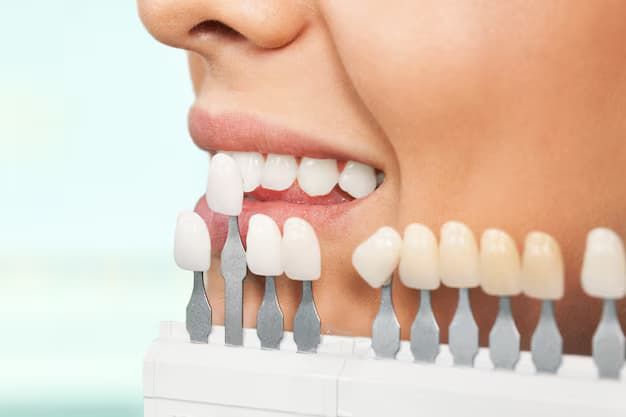
The appearance can be a real consideration. Zirconia is tooth-colored, which may make it appealing in areas that are easy to see. During a ceramic dental implant procedure, the material is also selected with factors such as implant location, bone support and restoration needs in mind.
Other potential benefits include:
- Zirconia provides a metal-free alternative to titanium.
- The tooth-colored material can work well in visible areas.
- Zirconia is widely used as a dental material, and is considered biocompatible for appropriate patients.
- A properly placed implant can integrate with the surrounding jawbone.
- The implant can support a dental crown or another dental restoration.
- With proper planning and maintenance, an implant can provide long-term tooth replacement.
Still, none of this means ceramic implants are automatically the right choice. Bone support matters. So do gum health, oral hygiene, implant position, and biting forces.
Are ceramic dental implants a good option for replacing missing teeth?
For some patients, yes. If the jawbone can support an implant, the gums are healthy and the bite is suitable, zirconia may be a good way to replace a missing tooth without using a metal implant.
An implant-supported crown can also replace a missing tooth without preparing neighboring healthy teeth, which may be necessary with some traditional bridges. The implant provides a stable base for the crown.
There is a catch, though. Implant treatment involves surgery and a healing period. Someone with significant bone loss, or untreated gum disease may need additional treatment before an implant can be placed. That's why choosing ceramic simply because it sounds appealing isn't enough. The dentist needs to look at the actual condition of the mouth.
A dentist or implant specialist can compare ceramic, and titanium options based on the patient's anatomy and treatment needs.
How long does a ceramic dental implant procedure take?
A ceramic dental implant procedure typically takes about 3 to 6 months from implant placement to the final crown. Bone grafting or other preparatory treatment can extend the timeline.
A typical treatment may involve
-
- Consultation and imaging
- Treatment planning
- Implant placement
- Healing and osseointegration
- Abutment and crown placement
If bone grafting is needed, treatment may take longer. The location of the missing tooth can affect the plan too.
The most useful answer comes after an examination. Once the dentist can see the bone and gum condition, a more specific timeline can be given.
How should ceramic dental implants be cared for?
Ceramic implants still need regular dental care. The fact that the implant itself can't develop a cavity doesn't mean the area can be ignored.
Brush and floss regularly. Keep up with professional cleanings and dental examinations.
During healing, follow the dentist's instructions about eating, cleaning the area, medication and activity. This period matters because the implant is still becoming established in the jawbone.
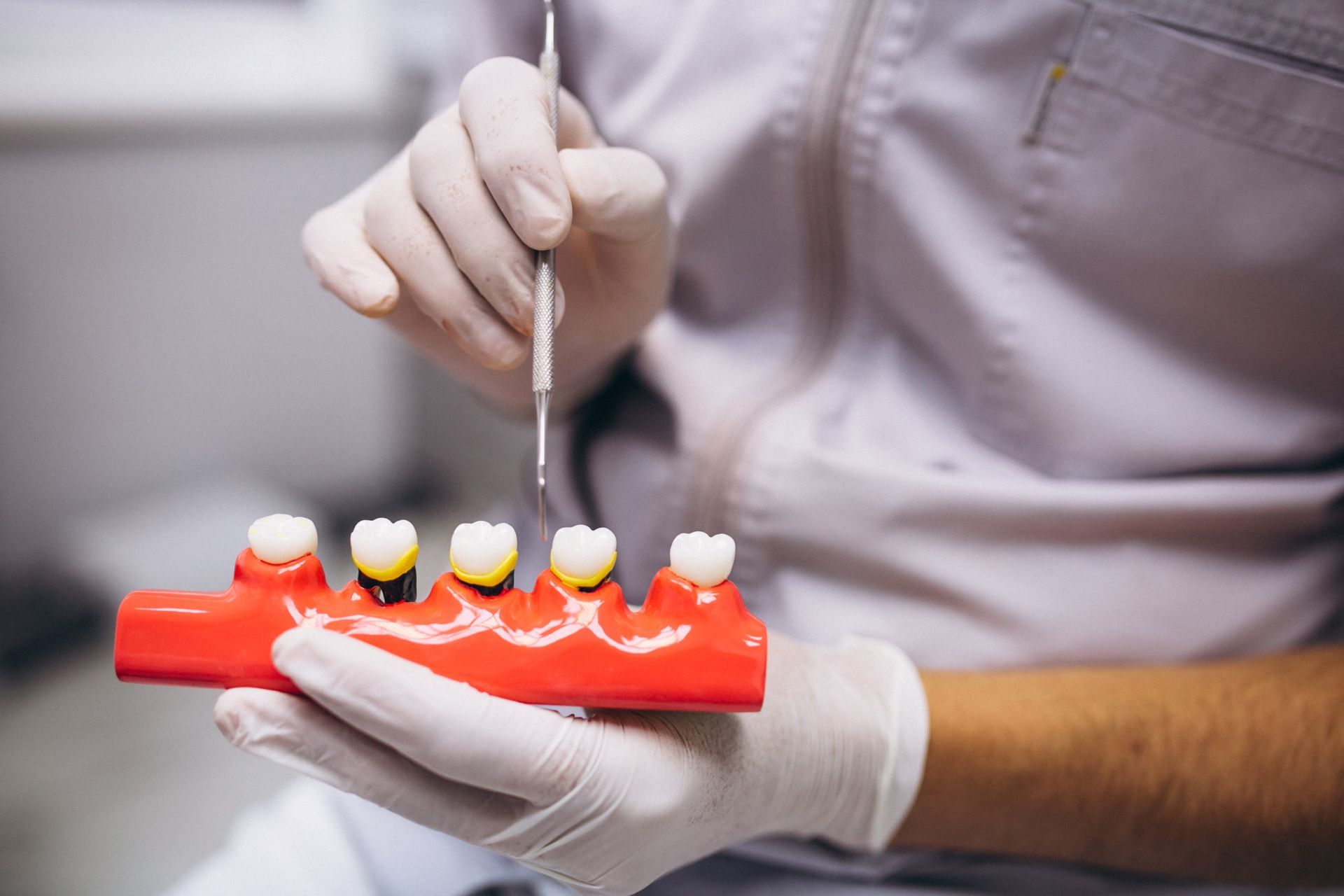
After healing, keep cleaning the implant and crown consistently. Plaque can irritate the tissues around an implant and lead to inflammation.
Routine dental visits give the dentist a chance to check the implant, crown, gums and bite. Small changes are easier to deal with when they're noticed early.
What can affect the success of ceramic dental implants?
The condition of the jawbone and gums matters. So does oral hygiene.
Smoking may interfere with healing. Untreated gum disease can affect the tissues around the implant. Grinding or clenching can put extra force on the implant and crown, which may affect the restoration.
Implant position matters, too.
Careful treatment planning and regular dental care can help protect the implant and the tissue around it. Following postoperative instructions is part of that process.
Learn More About Ceramic Dental Implants
If you're considering ceramic implants, contact us to discuss your options. A dental evaluation can help determine whether zirconia implants are suitable for your oral health and give you a clearer idea of the treatment time, healing period, and restoration process.
At Tiralosi Dental & Med Spa, we can help you understand whether ceramic dental implants fit your needs. Call us at (407)333-1335 to schedule an appointment. We serve the Lake Mary, Heathrow, Longwood, Sanford, and Altamonte Springs areas.
Frequently Asked Questions
Are ceramic dental implants as strong as titanium implants?
Zirconia implants are strong enough for many dental implant applications. Titanium has been used for a longer period and is available in a wider range of implant designs. The better choice depends on the patient's anatomy, treatment needs, and the implant system being considered.
How long do ceramic dental implants last?
Ceramic implants can provide long-term tooth replacement when they're properly placed and maintained. There isn't a fixed number of years that applies to every patient. Oral hygiene, bone and gum health, biting forces, implant position, and professional care can all affect how long the implant remains functional.
Are ceramic implants safe?
Dental-grade zirconia is considered a biocompatible material for appropriate patients. As with any implant surgery, complications are possible. A dentist should check the patient's oral health and bone condition before recommending ceramic implants.
Do ceramic dental implants look natural?
They can. Ceramic implants are made from tooth-colored zirconia, and the final crown can be customized to match the surrounding teeth. This may be particularly helpful when replacing a tooth in a visible part of the mouth.
Does getting a ceramic dental implant hurt?
Local anesthesia is used during implant placement, so patients generally shouldn't feel pain during the surgery. Some soreness, swelling, or tenderness can occur afterward. The dentist can explain what level of discomfort to expect and provide instructions for managing normal postoperative soreness.
Is bone grafting needed for ceramic implants?
Not always. Bone grafting may be recommended when there isn't enough bone to provide stable support for the implant. Dental imaging can show whether there is enough bone available or whether additional preparation is needed.