Clear Aligners & TMJ Care: Treatment Options, Timelines & Patient Candidacy
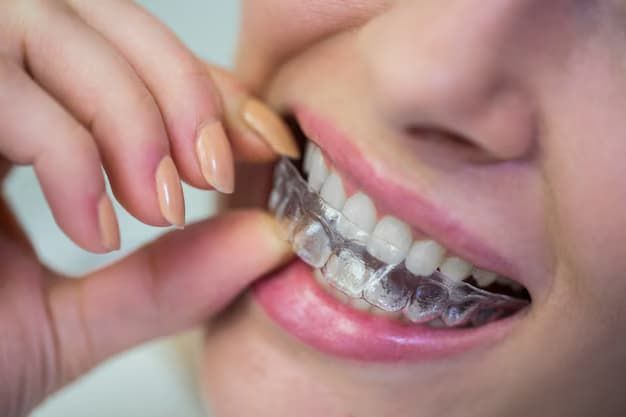
Clear aligners can straighten teeth and correct certain bite problems. TMJ treatment focuses on jaw pain, and difficulty moving the jaw. Some adults need both types of care, but straightening the teeth won't necessarily make jaw pain go away.
If you're considering clear aligners and TMJ treatment, start with a dental examination. Your dentist can check your bite, review your symptoms and explain whether orthodontic treatment can proceed.
Who is a good candidate for clear aligner treatment?
Adults with mild to moderate crowding, gaps between teeth or certain bite problems may be good candidates for clear aligners. It depends on how much the teeth need to move and whether the teeth and gums are healthy enough for treatment.
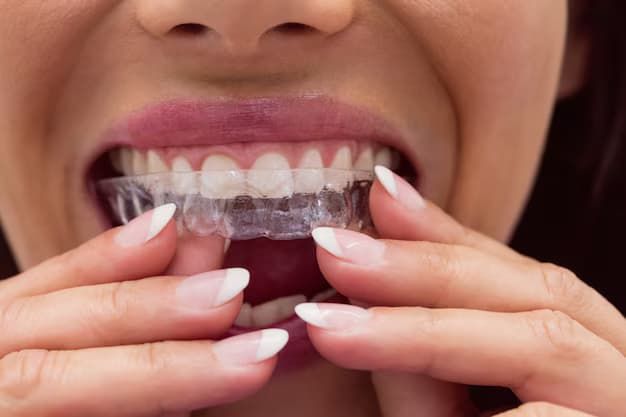
Clear aligners use removable trays to move teeth gradually. They're often a good fit for adults who prefer not to wear traditional braces, provided they can stick to the prescribed schedule.
Having a TMJ disorder doesn't automatically rule out orthodontic treatment. Still, tell your dentist about any jaw pain, painful clicking or locking before you start. Those symptoms need to be assessed first.
You can browse the practice's dental services to learn more about available care.
How long does clear aligner treatment take for adults?
Many adult clear aligner cases take several months to around 18 months. Some finish sooner. More complex cases can take longer especially when teeth need substantial movement or extra corrections.
Treatment starts with an examination and digital scans or other dental records. Your dentist uses these to plan the tooth movements, and explain what results are realistic for your case.
Once you receive your trays, you'll switch to the next set according to your dentist's instructions and attend follow-up visits. If your teeth don't move as expected, you may need extra trays or refinements. That can add time.
Most patients are told to wear their aligners for around 20 to 22 hours a day. Leaving them out for too long can slow progress.
If you also have jaw symptoms, bring them up during follow-up visits. Clear aligners and TMJ treatment may need separate plans because progress with your teeth doesn't guarantee relief from jaw pain.
What are the signs that jaw pain or clicking could be TMJ disorder?
Temporomandibular disorders (TMD) affect the joints connecting your jaw to your skull and the muscles that help move it. Clicking doesn't always signal a problem, particularly when there's no pain or difficulty moving the jaw.
Symptoms worth discussing with your dentist include:
- Jaw pain or tenderness: Soreness near the jaw joints or chewing muscles.
- Clicking or popping: Sounds when opening or closing your mouth, especially when painful.
- Jaw stiffness: Trouble opening your mouth fully.
- Jaw locking: Your jaw catches or gets stuck during movement.
- Pain while chewing: Discomfort that gets worse when eating.
- Headaches: Head or facial pain that occurs alongside jaw symptoms.
These joints work whenever you talk, eat or yawn. If pain keeps returning or your jaw locks, arrange an examination rather than waiting for it to settle on its own.
Can a night guard help with teeth grinding and TMJ pain?
A night guard can protect teeth from damage caused by grinding during sleep. Some oral appliances may also help with certain jaw symptoms, but the right option depends on what's causing the discomfort.
Grinding can wear down enamel, damage fillings and leave your jaw muscles sore in the morning. Your dentist can check your teeth for signs of wear, and advise whether a night guard makes sense.
Simple changes may help, too. Your dentist might suggest avoiding gum chewing, eating softer foods during a painful flare-up or applying a warm compress. Physical therapy may be useful for some patients.
If you're considering clear aligners and TMJ treatment, ask how the appliances will work together. A night guard may not fit over your aligners, so don't assume you can use both at the same time. Your dentist can explain whether you need a separate appliance.
What treatments are available for TMJ pain in Lake Mary?
TMJ treatment in Lake Mary depends on the cause of your symptoms. Some people improve with changes to their daily habits. Others may need an oral appliance or physical therapy and persistent symptoms may call for further evaluation.
Your dentist will ask about the pain and examine how your jaw moves. Clicking alone doesn't tell the whole story. The treatment recommendation should be based on your symptoms, and examination, not just the sound your jaw makes.
For milder symptoms, your dentist may suggest softer foods during flare-ups, avoiding habits that strain the jaw or using warm or cold compresses. A night guard may help if grinding is damaging your teeth.
Read more about TMJ treatment in Lake Mary to learn about available care and discuss which options may suit your needs.
At Tiralosi Dental & Med Spa, the first step is to explain what you've been experiencing and find out whether further evaluation or treatment is needed.
How much does Invisalign treatment cost?
Invisalign treatment typically costs between $3,000 and $8,000, depending on the complexity of your case, treatment length and your provider's fees. Insurance may reduce your out-of-pocket costs, depending on your plan.
Ask for a written estimate before starting. Check whether the quoted price includes scans, follow-up visits, retainers and any refinements you might need. These details can affect the final bill.
If payment plans are available, ask about monthly payments and extra fees. If you're considering clear aligners and TMJ treatment, check whether the jaw assessment and treatment are billed separately from your orthodontic care.
Should you treat TMJ symptoms before starting clear aligners?
If you have ongoing jaw pain, painful clicking or jaw locking, have those symptoms assessed before starting orthodontic treatment. Your dentist can advise whether you can proceed with aligners or whether your jaw symptoms need attention first.
Orthodontic treatment changes tooth positions. TMJ care addresses symptoms affecting the jaw joints and surrounding muscles. You may need both, but one treatment isn't guaranteed to fix the problem addressed by the other.
Before starting, ask what each treatment is expected to do and how your progress will be checked. It's also worth knowing whom to contact if your jaw pain gets worse after you begin wearing aligners.
Frequently asked questions
Can clear aligners make TMJ pain worse?
Some patients notice changes in jaw symptoms during orthodontic treatment. If you develop new pain or your existing discomfort gets worse, contact your dentist. They'll need to assess the cause rather than assume it's a normal part of treatment.
Does jaw clicking always mean TMJ disorder?
No. Clicking without pain or restricted movement doesn't always indicate a disorder. Painful clicking, jaw locking or difficulty opening your mouth should be assessed by a dentist.
Can I wear a night guard with clear aligners?
It depends on the appliances and your treatment plan. A separate night guard may not fit over your aligners. Ask your dentist how to manage grinding while you're undergoing orthodontic treatment.
Can stress contribute to TMJ symptoms?
Yes. Stress can contribute to jaw clenching or teeth grinding in some people. This may increase muscle tension and worsen jaw discomfort, particularly when stress affects sleep.
When should you see a dentist for jaw pain?
See a dentist if jaw pain persists, chewing becomes uncomfortable or your jaw locks. You should also seek an assessment if you have difficulty opening your mouth normally. An examination can help identify possible causes and determine whether TMJ treatment or further evaluation is appropriate.