What Can a 3D Dental Scan Reveal Before Your Treatment Begins?
A regular dental X-ray gives your dentist a useful picture. But sometimes, a flat image leaves questions unanswered.
What does the tooth look like below the gumline? How much bone is around a particular area? Where exactly is an impacted tooth sitting? If you're planning an implant, what does the surrounding anatomy look like from different angles?
Those are the kinds of questions that can call for CBCT digital 3D imaging.
At Tiralosi Dental & Med Spa, we use dental technology when it gives our team information that a routine examination or conventional X-ray can't provide on its own. Our office offers CBCT digital 3D imaging along with digital scanning through the Trios Impression Scanner, giving patients access to a more modern way of collecting dental records.
The scan isn't the treatment. It simply gives us more information before we make decisions about treatment.
What Does a 3D Scan Actually Show?
A 3D dental scan uses cone beam computed tomography, commonly called CBCT imaging, to create a three-dimensional view of structures in and around the mouth.
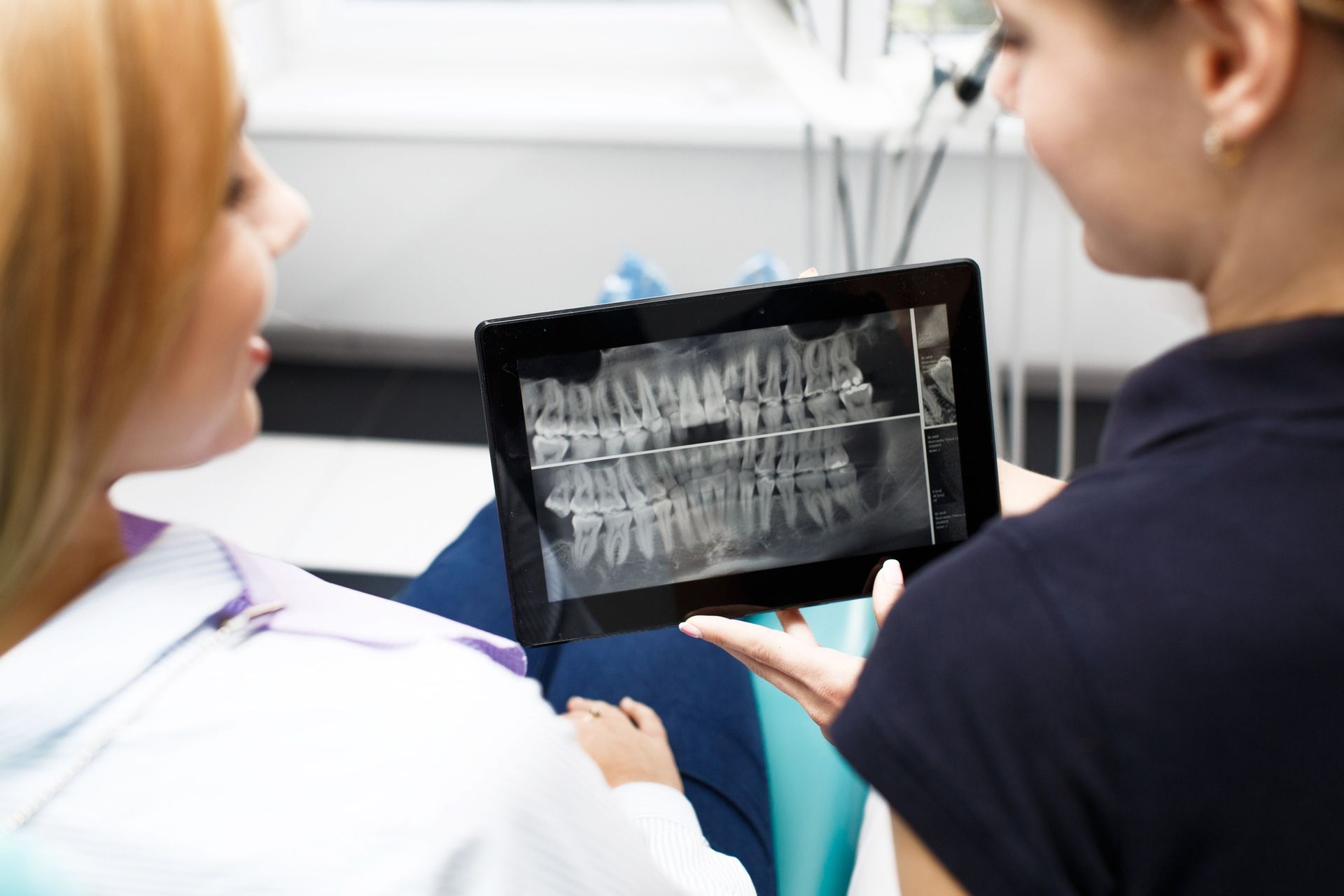
That extra dimension can matter. A conventional X-ray compresses anatomy into a flat image, while CBCT allows the dentist to examine the area from different views.
Depending on why the scan is being taken, your dentist may be able to look more closely at:
- Tooth roots and their position within the jaw
- Jawbone structure in an area being considered for treatment
- Impacted teeth and their relationship to nearby structures
- The position of teeth and other oral structures from different angles
- Areas being evaluated for dental implant planning
That doesn't mean every patient needs this type of imaging. In fact, advanced imaging isn't something that should be ordered simply because the technology exists. The reason for taking it matters.
Why a Dentist May Need More Than a Traditional X-Ray
Let's say you're having an ordinary checkup. A traditional dental X-ray may provide all the information your dentist needs.
Now change the situation. You have a tooth that hasn't erupted normally, you're being evaluated for an implant, or your dentist needs a clearer look at a particular area of the jaw.
The question changes from "Can we see the tooth?" to "Can we see enough of the surrounding anatomy to plan what comes next?"
That's where 3D imaging can be useful.
A three-dimensional image gives the dentist another way to examine the area instead of relying on a single flat view. For some treatment plans, that additional information can help the dentist understand the patient's anatomy before proceeding.
It's a planning tool. That's the part patients sometimes miss.
What About Digital Dental Impressions?
There are actually different types of digital records used in a modern dental office, and they don't all do the same job.
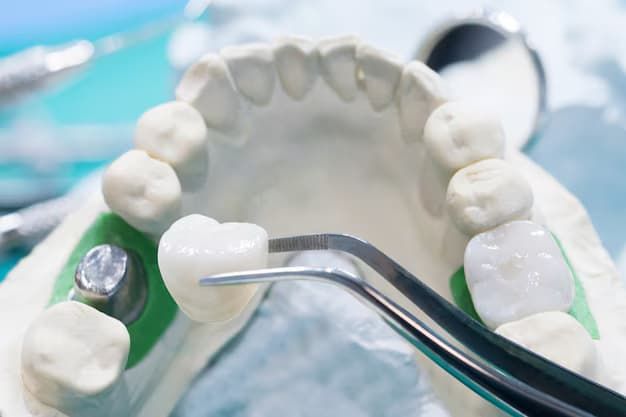
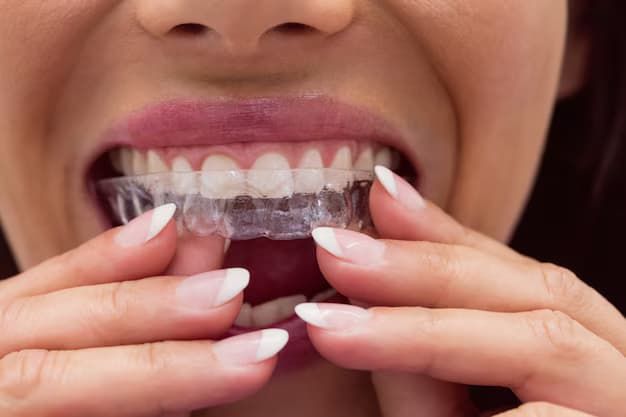
We offer a Trios Impression Scanner, which is used to capture digital impressions of the mouth. Rather than using traditional impression material, an intraoral scanner creates a digital record of the teeth and the areas being scanned.
The difference is fairly simple.
A CBCT scan gives information about three-dimensional anatomy. A digital impression captures detailed information about the shape and surfaces of the teeth.
So if your dentist uses both, the records aren't duplicates. They're different pieces of information.
Why the Difference Matters
A digital impression may be useful when your dentist needs an accurate digital representation of your teeth for certain dental procedures.
CBCT imaging can provide a broader view of the anatomy in the treatment area.
Neither replaces a dental examination. The dentist still has to look at the patient, review the dental history, discuss concerns, and decide what information is actually needed.
That's a much more useful way to think about dental technology. The equipment is there to answer a question.
When Might 3D Imaging Be Considered?
There isn't a single procedure that automatically requires a scan. Your dentist will consider the reason for treatment and what needs to be evaluated.
Here are some situations where advanced dental imaging may be considered.
Dental Implant Planning
Implant treatment involves more than replacing the visible part of a missing tooth. The dentist also needs to understand the area where the implant will be placed.
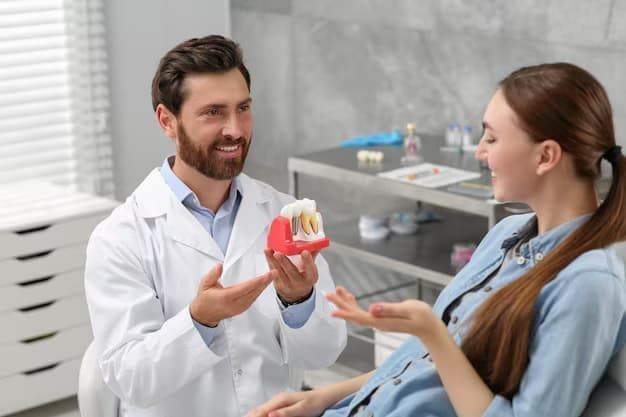
A three-dimensional image can provide additional information about the jawbone and surrounding anatomy. That information can then be considered alongside the clinical examination when planning treatment.
We also offer ceramic implant restorations, so patients exploring implant options may encounter digital imaging as part of the planning process.
Impacted or Unusually Positioned Teeth
Some teeth don't erupt where you'd expect them to. Wisdom teeth are a familiar example, but they're not the only possibility.
When the position of a tooth needs closer examination, a three-dimensional view can show its relationship to nearby structures more clearly than a standard two-dimensional image.
Evaluating a Specific Area of the Jaw
Sometimes a dentist simply needs more information about a particular area before deciding how to approach treatment.
The scan can give that additional perspective. It doesn't make the diagnosis or treatment decision by itself. Your dentist interprets the images alongside everything else learned during your appointment.
What Happens During the Scan?
The process is generally straightforward. The equipment captures multiple images around the area being examined and combines that information into a three-dimensional representation.
Your dentist or dental team will explain what you need to do before the scan. The exact process can vary depending on the equipment and the area being evaluated.
For patients, the useful part comes afterward.
Your dentist can review the images and explain what they're looking at. If you have questions, ask them. You don't need to understand every technical detail of CBCT technology to understand why the scan was recommended.
A simple question such as "What were you looking for?" can tell you a lot.
Why Tiralosi's Approach to Dental Technology Matters
Technology by itself isn't much of a reason to choose a dental practice. What matters is how it's used.
At Tiralosi Dental & Med Spa, digital tools are part of a broader approach to patient care. The practice offers CBCT digital 3D imaging, digital impressions with Trios, and other technology alongside restorative, cosmetic, implant, and general dental services.
That gives our team more information when a particular case calls for it.
More importantly, the technology doesn't replace time with the dentist. Dr. Tim Tiralosi describes his practice as a setting where patients have direct interaction with him rather than moving through a high-volume model. That matters when you're looking at an image and trying to understand what it means for your treatment.
A scan can show anatomy. It can't have a conversation with you.
Seeing More Before Making a Treatment Decision
A 3D dental scan can give your dentist a closer look at anatomy that isn't always easy to understand from a conventional X-ray alone. For implant planning, impacted teeth, or specific areas of the jaw, that extra information can be useful when deciding what comes next.
At Tiralosi Dental & Med Spa, we don't use advanced imaging simply for the sake of having advanced equipment. We use it when the information can help us understand a patient's situation more clearly. Our combination of CBCT imaging, digital impressions, and one-on-one dental care gives patients a chance to see where technology fits into their treatment rather than treating it as a mysterious part of the appointment.
Conclusion
A 3D dental scan can answer questions that aren't always clear from a traditional dental X-ray. It can give your dentist a different view of the teeth, jawbone, roots, and surrounding anatomy when more detail is needed for treatment planning.
We use technology alongside an examination and a conversation about your individual needs. That's the part that matters. The goal isn't to take more images. It's to have the right information before deciding what happens next, especially when treatment involves areas that can't be fully understood from a standard two-dimensional view.