The Real Reason Adults Choose Invisalign Over Braces (It's Not Comfort, It's Control)
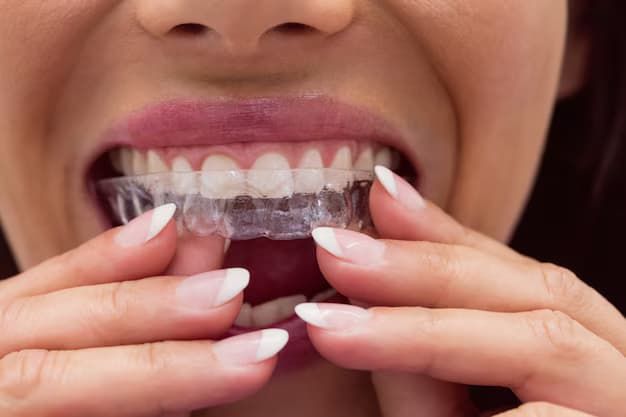
Invisalign® is preferred by adults because the clear aligners are removable, discreet, and fit easily into everyday life. Traditional braces may still be the better option for certain complex bite or tooth movement issues. A consultation helps determine which treatment is the right choice for your smile.
There was a time when many adults assumed braces were something you only wore in middle or high school. If they missed that opportunity, they accepted crooked teeth or bite issues as something they simply had to live with. Today, that mindset is changing.
More adults are choosing orthodontic treatment than ever before but their reasons have changed. Straight teeth are still important, yet convenience, flexibility, confidence and control over daily life have become just as valuable. At Tiralosi Dental & Med Spa, we meet adults who want treatment that fits around work meetings, family dinners, travel and social events instead of disrupting them. One of the first questions they ask is, Is Invisalign better than braces? The answer depends on your smile, your lifestyle and your treatment goals.
Why Are More Adults Choosing Invisalign Today?
Adults approach orthodontic treatment differently than teenagers.
Instead of focusing only on straight teeth, they also think about work, family responsibilities, travel and social situations. They want treatment that improves their smile without changing their daily routine more than necessary.
This is one reason Invisalign has become increasingly popular among adult patients.
The clear aligners are designed to fit comfortably over your teeth and can be removed for meals, brushing, flossing and important occasions. That flexibility gives many adults a greater sense of control throughout treatment.
It's Not Just About Appearance Anymore
Years ago, adults chose Invisalign because the aligners were less noticeable than metal braces.
While appearance still matters, today's patients are asking different questions.
Can I remove them before an important presentation?
Will I still be able to enjoy my favorite foods?
Can I brush and floss normally?
How often will I need appointments?
These practical concerns influence treatment decisions just as much as aesthetics.
When people ask, "Is Invisalign better than braces?", they are usually asking which option will fit their lifestyle while still delivering effective results.
Where Traditional Braces Still Have an Advantage
Although Invisalign offers many benefits, it is not automatically the best solution for every patient.
Traditional braces remain an excellent option for certain orthodontic cases, especially when significant tooth movement or complex bite correction is required.
Because braces stay attached to the teeth throughout treatment, they do not depend on the patient remembering to wear removable
aligners. This can make them a better choice in some situations.
The goal is never to recommend one treatment for everyone. Instead, we evaluate your smile, discuss your priorities and recommend the option most likely to achieve healthy, lasting results.
Lifestyle Plays a Bigger Role Than Ever
One of the biggest changes in modern orthodontics is the growing focus on everyday life.
Adults balance demanding careers, parenting, travel and busy schedules. They want treatment that works with those responsibilities instead of creating additional challenges.
For many patients, Invisalign provides that flexibility.
Because the aligners are removable, eating is generally easier and maintaining good oral hygiene is more convenient. Patients can continue brushing and flossing normally without working around brackets and wires.
That doesn't necessarily make Invisalign better than braces for everyone but it explains why so many adults choose it after learning about both options.
How Do You Know Which Option Is Right for You?
The best orthodontic treatment is the one that matches both your dental needs and your lifestyle.
During a consultation, your dentist evaluates factors such as:
- Your bite and tooth alignment.
- The complexity of your case.
- Your oral health.
- Your daily routine.
- Your treatment goals.
- Your commitment to wearing aligners as directed.
Answering "Is Invisalign better than braces?" requires looking at the whole picture rather than focusing on a single feature.
At Tiralosi Dental & Med Spa, we believe patients should understand all of their options before beginning treatment. By combining a detailed examination with a conversation about your goals, we can recommend a solution designed specifically for you.
Final Thoughts
The conversation around orthodontic treatment has changed. Adults are no longer choosing between braces and Invisalign based only on appearance. They are thinking about flexibility, convenience, confidence and how treatment fits into their everyday lives.
If you've been wondering, "Is Invisalign better than braces?", there isn't one answer for everyone. Both treatments can produce excellent results when matched to the right patient. The key is receiving a personalized evaluation that considers your smile, your lifestyle and your long-term oral health goals.
Frequently Asked Questions
Is Invisalign better than braces for adults?
It depends on your orthodontic needs. Many adults prefer Invisalign because it is removable and discreet while traditional braces may be better for certain complex alignment or bite issues.
Can Invisalign treat the same problems as braces?
Invisalign can successfully treat many orthodontic concerns, including crowded teeth, gaps and some bite issues. More complex cases may still be better suited to traditional braces.
Is Invisalign more comfortable than braces?
Many patients find Invisalign comfortable because there are no brackets or wires. However, some pressure is normal when switching to a new set of aligners as your teeth gradually move.
Do I have to wear Invisalign all day?
Yes. Invisalign aligners are worn for 20 to 22 hours each day and removed only for eating, drinking anything other than water, brushing and flossing.
How do I know whether Invisalign or braces are right for me?
A consultation allows your dentist to evaluate your teeth, bite, oral health and treatment goals before recommending the option that offers the best results for your individual smile.