Why Waking Up With a Dry Mouth Isn't Always Just About Drinking More Water
Waking up with a dry mouth once in a while usually isn't a big deal. Maybe you were thirsty, had a salty dinner, or just didn't drink enough during the day.
But what if your mouth feels dry and sticky almost every single morning?
Reaching for a glass of water might help temporarily, but it doesn't always fix what's actually causing the dryness. For some people, that persistent morning dryness ties back to mouth breathing during sleep, which can happen alongside sleep apnea.
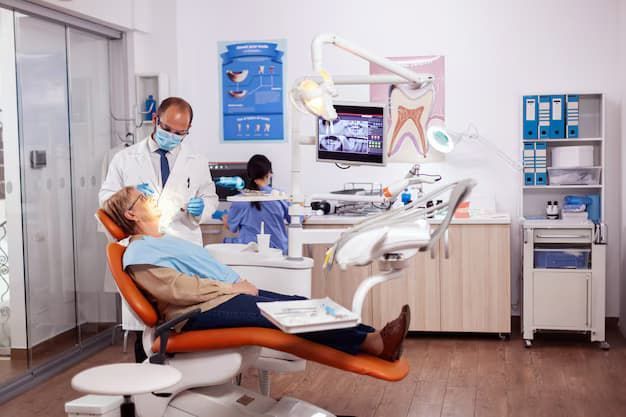
A sleep apnea dentist can look for oral signs connected to nighttime breathing problems and help figure out whether a closer look is worth it.
Why Does Your Mouth Get Dry While You Sleep?
Saliva protects your teeth and gums by washing away food particles, keeping bacteria in check, and supporting the natural balance in your mouth. Saliva production normally drops during sleep, but your mouth shouldn't feel bone-dry every morning as a result.
One common reason for real dryness is sleeping with your mouth open.
When you breathe through your mouth all night, air keeps passing over the tissue inside your mouth. That leaves your tongue, gums, cheeks, and throat feeling dry by the time you wake up.
Nasal congestion, allergies, certain medications, dehydration, and other health conditions can also cause dry mouth. That's why it's worth not jumping straight to sleep apnea as the automatic explanation.
The Connection Between Dry Mouth and Sleep Apnea
Obstructive sleep apnea happens when the upper airway repeatedly gets blocked or narrowed during sleep. Those breathing interruptions disturb normal sleep and can lead to loud snoring, daytime tiredness, morning headaches, and trouble concentrating.
Mouth breathing often tags along with these nighttime breathing problems.
A sleep apnea dentist might notice oral clues worth paying attention to, dry mouth, tooth wear from nighttime grinding, jaw discomfort, or other changes that can show up with disrupted sleep.
Dry mouth by itself can't diagnose sleep apnea. But when it shows up alongside loud snoring, gasping during sleep, morning headaches, or ongoing daytime fatigue, it's worth bringing up with a qualified professional.
Dry Mouth Can Affect Your Teeth, Too
Morning dryness isn't just uncomfortable. If it sticks around over time, reduced saliva can raise your risk of tooth decay and other oral health problems.
Saliva protects tooth surfaces from the acids bacteria produce. Less saliva means less of that natural protection.
You might also notice:
- Bad breath after waking
- A sticky or thick feeling in your mouth
- Increased sensitivity
- Trouble swallowing dry foods
- Cracked lips
- A sore or irritated tongue
- More frequent cavities
If these symptoms keep showing up, a sleep apnea dentist can check the condition of your teeth, gums, bite, and other structures while considering whether nighttime breathing might be part of the picture.
What About Nighttime Teeth Grinding?
There's another connection worth knowing: teeth grinding.
Some people with disrupted sleep grind or clench their teeth at night without realizing it, since it happens while they're asleep. Instead, they wake up with a sore jaw, sensitive teeth, headaches, or visible wear on their teeth.
Grinding doesn't automatically mean sleep apnea. But when it shows up alongside snoring, dry mouth, restless sleep, or daytime fatigue, it's another reason to bring your symptoms to a professional.
A sleep apnea dentist can look for signs of tooth wear and jaw strain and decide whether those findings deserve a closer look at your sleep and breathing.
When Should You Take Morning Dry Mouth Seriously?
Occasional dryness is a different story from waking up dry almost every morning.
Worth bringing up at your next appointment if you also notice:
- Loud or frequent snoring
- Waking up gasping or choking
- Morning headaches
- Excessive daytime sleepiness
- Trouble staying focused
- Nighttime teeth grinding
- Jaw soreness when you wake up
- Frequent cavities despite good hygiene
- Your partner noticing pauses in your breathing
A sleep apnea dentist can evaluate your oral health and talk through whether your symptoms point toward a sleep evaluation being worthwhile.
Keep in mind, dentists don't diagnose every cause of sleep-related breathing problems on their own. Depending on your symptoms, a sleep physician or other medical professional may need to run additional testing, including a sleep study.
How a Dental Evaluation Can Help
A dental visit can be a good starting point when oral symptoms keep coming up.
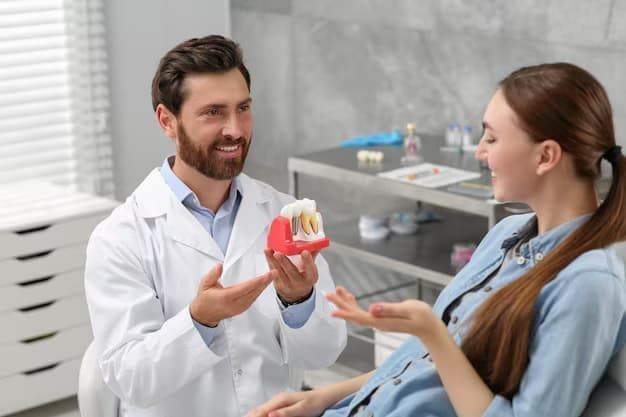
During an evaluation, a sleep apnea dentist might check your teeth, gums, jaw, bite, tongue, and other structures for clues about nighttime breathing. Your symptoms and medical history matter here too.
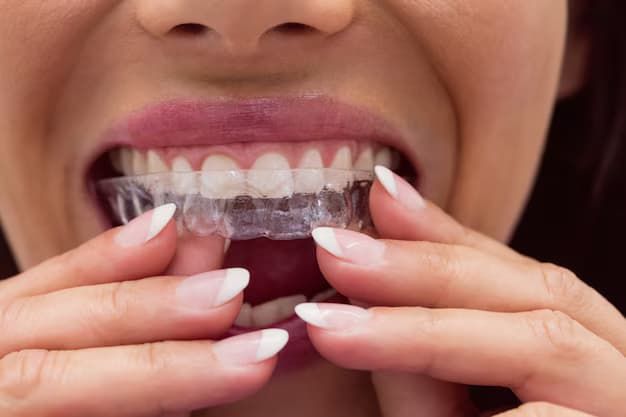
If obstructive sleep apnea is suspected or already diagnosed, treatment varies from person to person. Some patients do well with a custom oral appliance designed to keep the airway open during sleep. Others need CPAP therapy, medical care, lifestyle changes, or some combination of these.
At Tiralosi Dental & Med Spa, we believe patients should understand why a treatment gets recommended. That means listening to your concerns, explaining the available options, and thinking about how treatment actually fits your health needs and daily routine. Our practice offers sleep apnea devices and works with sleep specialists whenever coordinated care makes sense.
What Can You Do About Morning Dry Mouth?
There are simple steps you can take while figuring out the cause.
Stay hydrated throughout the day, keep up with consistent brushing and flossing, and go easy on alcohol before bed. If nasal congestion is making it hard to breathe through your nose, talk with your healthcare provider about appropriate treatment.
Don't rely on water alone if the problem keeps coming back.
If your mouth is dry because you keep breathing through it during sleep, more water might mask the symptom without touching the actual cause.
A sleep apnea dentist can help figure out whether your oral symptoms fit a pattern worth investigating further.
Conclusion
Waking up with a dry mouth doesn't automatically mean you have sleep apnea. Dehydration, medications, allergies, nasal congestion, lifestyle factors, and plenty of other things can cause the exact same symptom.
But persistent morning dryness shouldn't always get brushed off as simply needing more water.
When dry mouth shows up alongside snoring, grinding, daytime fatigue, morning headaches, or other sleep-related symptoms, it's worth looking at the bigger picture. A sleep apnea dentist can examine your oral health, spot possible warning signs, and help you understand whether further sleep evaluation or treatment might be worth pursuing.
At Tiralosi Dental & Med Spa, we take the time to understand what you're actually experiencing, rather than looking at one symptom in isolation. If your mouth is telling you something every morning, it might be worth listening to.