The Second-Opinion Question: How Much Should You Know Before Getting a Dental Crown?
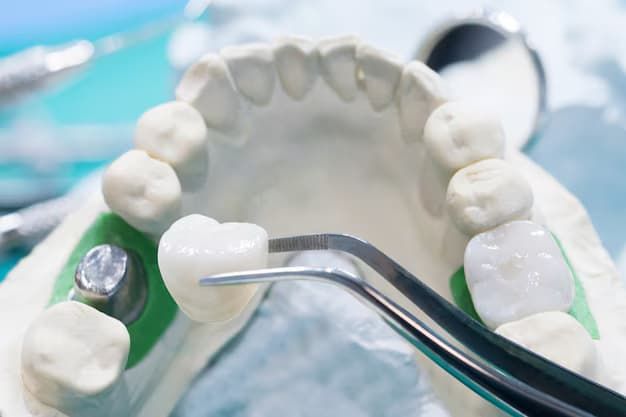
Being told you need a crown can make the decision sound simple: the tooth's damaged, so cover it. In reality, the more important question is why the tooth needs protection, and what condition it'll actually be in underneath the restoration.
How much healthy tooth is left, where the damage sits, your bite, past dental work, even the way a tooth is cracked, all of it shapes the treatment plan.
If you're researching dental crowns in Lake Mary, knowing what to ask beforehand can help you get a decision based on your actual tooth, not a generic recommendation.
A Crown Is the Restoration, Not the Diagnosis
One detail patients sometimes miss: a crown doesn't explain the underlying problem.
A tooth might need protection because of extensive decay, a large old filling, a fracture, significant wear, or a previous root canal. Those causes aren't interchangeable.
Ask your dentist to spell out exactly what weakened the tooth.
- Is it mostly lost tooth structure?
- Is there a crack?
- Is the tooth breaking under heavy bite forces?
- Did earlier treatment leave limited support behind?
Once you understand the cause, a recommendation for dental crowns in Lake Mary becomes a lot easier to evaluate.
How Much Natural Tooth Is Actually Left?
When a tooth has lost a lot of structure, the dentist has to think about how much sound tooth will remain once the damaged areas are addressed. The remaining walls and surrounding structure shape how well the final restoration is actually supported.
You might hear the word "ferrule." Simply put, it's a band of remaining tooth structure the crown can wrap around.
Research has found that an adequate ferrule can improve fracture resistance in certain restored teeth, especially ones that have had root canal treatment.
You don't need to memorize the terminology. Just ask one practical question: "how much sound tooth structure will I have left after the tooth is prepared?"
That question tells you a lot more than simply asking which crown material is strongest.
Your Bite May Matter More Than You Think
A crown has to hold up under repeated chewing forces. If you clench or grind, regularly break fillings, or have a history of fractured restorations, that history matters here.
A dentist needs to think about how the tooth contacts the opposing tooth and its neighbors. The goal isn't just making the crown look natural, it also has to function comfortably inside your actual bite.
If you've had restorations break before, mention it. That history can explain a lot about why a particular approach is being considered when planning dental crowns in Lake Mary.
"Cracked Tooth" Does Not Tell the Whole Story
The word "crack" sounds alarming, but not every crack carries the same weight.
A crack might be limited to enamel, run deeper into the tooth, or involve a part that affects long-term stability. Symptoms vary too, some people feel pain when biting or releasing a bite, others feel little or nothing.
If a crown is being recommended because of a suspected crack, ask your dentist to show you exactly where it is and what the crown is meant to protect.
More importantly, ask whether the crack changes the tooth's expected long-term outlook.
Root Canal Treatment Does Not Automatically Answer Every Question
Root canal treatment changes a tooth's history, but it doesn't by itself decide the whole restorative plan.
Remaining tooth structure, the tooth's location, previous restorations, and everyday functional forces all matter here too.
Posts deserve a clear explanation as well, a post might be used when a core needs extra retention, but it's not a magic device that automatically makes every root-treated tooth stronger. Reviews have found that keeping as much remaining coronal tooth structure as possible is a major factor in how well these restorations hold up.
If you're considering dental crowns in Lake Mary after a root canal, ask why a post or extra buildup is being recommended and exactly what it's supposed to do.
Ask What the Dentist Is Trying to Preserve
A surprisingly useful second-opinion question is simply: "what are we trying not to lose?"
The answer might be healthy tooth structure, supporting dentin, gum tissue, or enough tooth height for a stable restoration.
That question changes the whole conversation. Instead of just asking "which crown should I get," you're asking "what needs to be preserved so this tooth keeps working?"
At Tiralosi Dental & Med Spa, we think that distinction really matters. When we talk through dental crowns in Lake Mary, we want patients to understand both the problem and the reasoning behind whatever restoration we're proposing.
Do Not Overlook the Crown Margin
The margin is where the crown meets the natural tooth.
Its position and design affect appearance, how easy it is to clean, and the surrounding gum tissue. What's ideal really depends on the tooth and the specific situation.
You don't need to learn dental terminology before your appointment. Just ask where the crown will meet the tooth, and how you should be cleaning that area. It's a small question, but it comes up a lot when planning dental crowns in Lake Mary.
That small question can make the final restoration a lot easier to understand and take care of.
Pay Attention to the Temporary Crown
A temporary crown is more than just something to wear while you wait for the final one.
Notice how it feels when you bite down.
- Does it seem unusually high?
- Is it hard to floss around?
- Does the gum stay irritated?
- Does the temporary feel loose?
None of that automatically means there's a problem, but it's worth mentioning to your dentist before the permanent crown gets finalized.
Your experience with the temporary actually tells us something useful about comfort, contacts, and cleaning.
What Should a Second Opinion Actually Give You?
A useful second opinion should give you real clarity, not just a different price quote.
Bring your questions, any recent dental records or X-rays, and details on previous procedures. Ask the dentist to explain the tooth's condition, what can realistically be preserved, why a crown is being considered, and what could affect its long-term outlook.
If you're comparing dental crowns in Lake Mary, the goal shouldn't be finding someone who automatically says yes or no to a crown. The goal is understanding the reasoning well enough to decide with confidence.
Conclusion
Choosing a crown ultimately comes down to protecting the tooth you still have and making a sound call about its future. The right choice depends on more than how the final restoration looks. The tooth's condition, remaining structure, bite, past treatment, and long-term goals all deserve real consideration.
If you're exploring dental crowns in Lake Mary, don't hesitate to ask for a clear explanation of what's happening inside and around the tooth. At Tiralosi Dental & Med Spa, we take the time to work through those details with you, answer your questions, and help you feel confident about the next step in your care.