Veneers, Crowns & Smile Makeovers: Choosing the Right Cosmetic Treatment
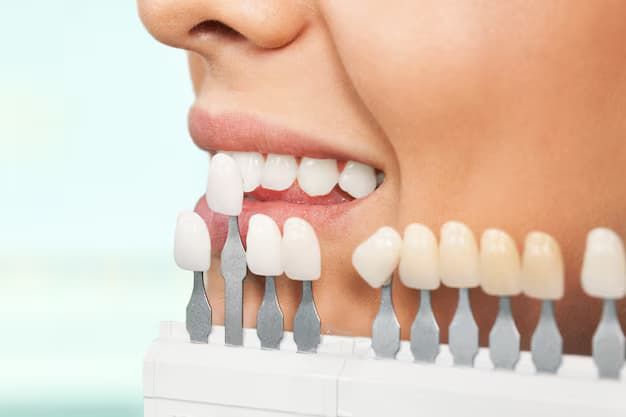
Veneers, crowns, bonding, and professional whitening can all change the look of a smile but they don't do the same job. Veneers cover the front of a tooth, while crowns cover the entire visible portion. Bonding can make smaller cosmetic changes and whitening focuses mainly on tooth color.
The best choice depends on what's happening with the teeth. Enamel condition, tooth strength, gum health, alignment and bite all matter. A treatment that looks good on paper may not be the right fit for a tooth that already has significant damage.
How do porcelain veneers compare with dental crowns?
Porcelain veneers cover the visible front surface of a tooth. Dental crowns cover the entire visible portion. That difference matters when deciding how much protection a tooth needs.
Veneers are often used when the tooth is relatively healthy but has cosmetic concerns such as discoloration, small chips, minor gaps, or an uneven shape. They generally require less tooth preparation than crowns.
Crowns are used when a tooth needs more support. A large filling, extensive decay, a serious crack, heavy wear, or previous root canal treatment can weaken a tooth enough that full coverage makes more sense. Ceramic crowns can also be made to look very natural.
| Feature | Porcelain Veneers | Dental Crowns |
|---|---|---|
| Coverage | Front surface | Entire visible tooth |
| Main purpose | Cosmetic improvement | Structural and cosmetic restoration |
| Preparation | Usually limited | More extensive |
| Common use | Healthy teeth with cosmetic concerns | Weakened or damaged teeth |
There isn't one treatment that works best for every smile. The condition of the tooth comes first, followed by the cosmetic goal.
Do porcelain veneers require removing part of the natural tooth?
Usually, yes. Conventional porcelain veneers often require a small amount of enamel to be removed so the veneer can fit properly and look natural. The exact amount depends on the tooth and the planned veneer.
That's worth knowing before treatment. Enamel doesn't grow back.
Some cases can be treated with very little preparation, but that doesn't mean minimal preparation is suitable for everyone. The dentist needs to look at the tooth, available enamel, bite, and planned result before deciding how much preparation is needed.
Discussing your regular dental services options with a dentist can help clarify what preparation your teeth may require. Decay, gum disease, significant crowding, limited enamel, and certain bite problems may need attention before veneers are considered.
How do I know whether veneers, bonding, or crowns are right for my teeth?
The condition of the tooth usually points the treatment in the right direction. Veneers are commonly considered for cosmetic changes on healthy teeth. Bonding works well for smaller corrections. Crowns are generally used when a tooth needs substantial coverage or protection as part of a cosmetic treatment plan.
Veneers may help with;
- Persistent discoloration
- Small gaps
- Minor chips
- Uneven tooth shape
- Mild cosmetic concerns
Bonding may help with;
- Small chips
- Minor gaps
- Slight shape changes
- Conservative cosmetic corrections
Composite bonding often requires little or no removal of tooth structure, and some cases can be completed in one visit. The tradeoff is durability. Composite can stain or wear sooner than porcelain.
Crowns may be appropriate for;
- Severely weakened teeth
- Large fillings
- Significant cracks
- Extensive decay
- Teeth after root canal treatment
- Heavily worn teeth
A dentist should examine the individual teeth before recommending a treatment. There's also no rule that says every tooth in a smile has to receive the same restoration. One tooth may need a crown while another may only need bonding.
What does a cosmetic dental smile makeover include?
A cosmetic dental smile makeover is a treatment plan designed around the appearance, and condition of the smile. It may involve one procedure or several, depending on what needs to change.
Treatment can include;
- Porcelain veneers
- Composite bonding
- Professional teeth whitening
- Dental crowns
- Gum contouring
- Orthodontic treatment
- Replacement of old restorations
The process starts with an examination of the teeth and gums. Depending on the case, the dentist may use photographs, digital scans, X-rays, or other records to plan the treatment.
Existing dental problems usually need to be addressed first. Active decay or gum disease, for example, shouldn't simply be covered with cosmetic dental treatment. Bite, tooth shape, gum display, and facial proportions can also affect how the final smile looks.
Sometimes the most noticeable improvement comes from doing less. Preserving healthy tooth structure should remain part of the plan.
How long do porcelain veneers last?
Porcelain veneers typically last 10 to 15 years although some can last longer with proper care and regular dental checkups. How long they remain in good condition depends on factors such as the patient's bite, oral hygiene, preparation, material, and everyday habits.
Grinding and clenching can put extra pressure on veneers. When appropriate, a dentist may recommend a night guard to reduce those forces while sleeping.
Regular brushing, flossing, professional cleanings, and dental examinations are an important part of regular dental services and help keep veneers, and the natural teeth underneath in good condition.
Veneers can still chip, fracture, loosen, or develop problems around the edges. If that happens, the appropriate solution may be repair or replacement.
Is cosmetic dental treatment permanent?
Most cosmetic dental treatments are long-lasting rather than permanent. Veneers and crowns may eventually need replacement. Bonding can also need repair when it chips, stains, or wears down.
Tooth preparation is one reason to think carefully before treatment. If enamel has been removed for a conventional veneer or a crown, future restoration may be needed.
A conservative treatment can be a better choice when it can achieve the desired result without unnecessary removal of healthy tooth structure. That decision should be made after examining the teeth rather than based on appearance alone.
Cosmetic restorations also don't make teeth immune to cavities or gum disease. The natural teeth and gums still need everyday care.
Can veneers and crowns be used together?
Yes. Different teeth can have different needs so a smile may include both veneers and crowns.
For example, a healthy front tooth with a cosmetic concern may be suitable for a veneer, while a nearby tooth with significant structural damage may need a crown. The restorations can still be planned to work together visually.
Shade, tooth shape, size, and proportion all matter. The aim is to give each tooth the restoration it actually needs rather than placing the same type of restoration everywhere.
How should I care for cosmetic dental restorations?
The basics still matter. Brush regularly, floss, attend professional cleanings and keep up with dental examinations. These habits protect the restoration and the natural tooth underneath it.
Don't use teeth to open packages or bite hard objects. It's an easy habit to overlook, but it can damage a restoration just as it can damage a natural tooth.
If you grind or clench your teeth, mention it to your dentist. A night guard may be recommended when excessive bite forces could put restorations at risk.
Regular dental services also give the dentist a chance to check the restoration, gums, bite, and nearby teeth.
Learn More About Cosmetic Dental Treatment
If you're considering veneers, crowns, bonding, or a smile makeover, at Tiralosi Dental & Med Spa, we can help you discuss the available options. The dental team can review your concerns, examine your teeth and explain which treatments may fit your needs.
Call us at (407)333-1335 to schedule an appointment. We serve in Lake Mary, Heathrow, Longwood, Sanford, and Altamonte Springs areas.
Frequently Asked Questions
Are veneers or crowns better for improving a smile?
Neither is automatically better. Veneers are generally used for cosmetic changes on relatively healthy teeth, while crowns are more appropriate when a tooth needs full coverage because of weakness or structural damage.
Are porcelain veneers permanent?
No. Porcelain veneers can last for many years, but they may eventually need replacement because of wear, damage, or changes around the tooth.
Is dental bonding less invasive than veneers?
Generally, yes. Bonding can often be completed with little or no removal of natural tooth structure. It's useful for smaller cosmetic changes, although composite may not last as long as porcelain in some situations.
Can crowns be used for cosmetic purposes?
Yes. Crowns can change the color, shape, size, and overall appearance of a tooth while providing coverage and support. They're generally considered when the tooth also has a structural problem.
What should be done before a smile makeover?
A dental examination should come first. Problems such as decay, gum disease, damaged teeth, or bite concerns may need treatment before elective cosmetic work begins.
Can a smile makeover include different treatments?
Yes. A smile makeover can combine treatments such as veneers, bonding, whitening, crowns, gum contouring, or orthodontic care. The combination depends on the condition of the teeth and the result the patient wants.