Sealants: Necessary Prevention or Dental Upsell? What Longwood Parents Should Actually Know
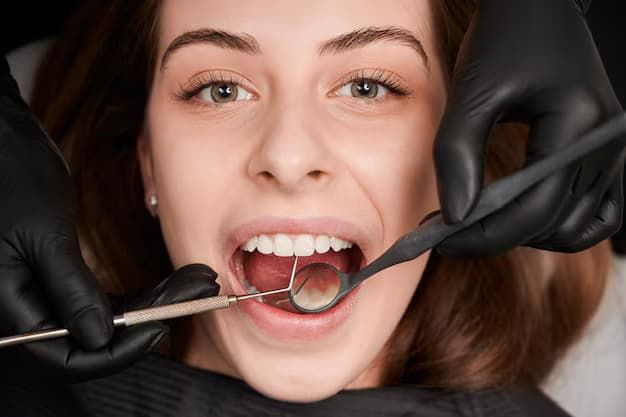
Dental sealants are commonly recommended when permanent molars begin to erupt because these teeth have deep grooves that can easily trap food and bacteria. Whether sealants are appropriate depends on factors such as your child's cavity risk, oral hygiene habits, tooth anatomy and overall oral health. A dental examination helps determine if they are the right preventive option.
Parents today are more involved in healthcare decisions than ever before. Instead of automatically agreeing to every recommendation, many want to understand why a treatment is needed, what benefits it offers and whether it's the right choice for their child. Preventive dental care is no exception.
Dental sealants have been recommended for decades, yet many parents still wonder whether they are truly necessary or simply another treatment added to a routine visit. At Tiralosi Dental & Med Spa, we welcome those conversations because informed parents make confident decisions. Families searching for a
family dentist in Longwood offering sealants are looking for honest answers, not just treatment recommendations.
Why Are Parents Asking More Questions About Preventive Dentistry?
The way families approach healthcare has changed.
Parents read articles, compare opinions online and want to understand the reason behind every recommendation. Rather than accepting treatment without discussion, they want to know how it helps their child today and in the future.
This isn't about doubting dental professionals. It's about making informed decisions.
That shift has encouraged more meaningful conversations about preventive care, including dental sealants.
Why Are Back Teeth More Likely to Develop Cavities?
Even children who brush twice a day can have difficulty cleaning every part of their back teeth.
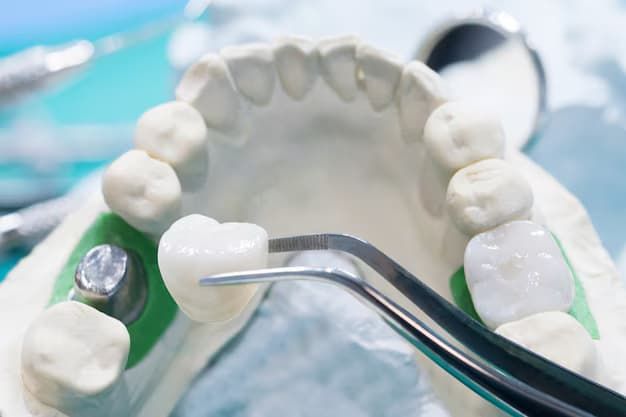
The chewing surfaces of permanent molars naturally contain tiny grooves and pits. These areas can hold food particles and bacteria that toothbrush bristles may not fully reach.
Over time, those trapped bacteria increase the risk of tooth decay.
Sealants work by covering these vulnerable grooves with a thin protective coating, making it harder for bacteria and food debris to settle into those deep spaces.
Are Sealants Recommended for Every Child?
This is one of the biggest misconceptions. Not every child automatically needs dental sealants.
When evaluating whether sealants are appropriate, dentists consider several factors, including:
- Whether permanent molars have erupted.
- The depth of the grooves on the chewing surfaces.
- Your child's history of cavities.
- Daily brushing and flossing habits.
- Overall risk of future tooth decay.
Children with a higher risk of cavities often benefit the most from sealants, while others may simply continue with routine preventive care and regular monitoring.
This personalized approach is one reason parents searching for a family dentist in Longwood offering sealants often prefer practices that explain recommendations instead of following the same plan for every patient.
Do Sealants Replace Brushing and Regular Checkups?
No. Sealants are only one part of a preventive dental plan.
Children still need to:
- Brush their teeth twice a day.
- Floss regularly.
- Eat a balanced diet that limits sugary snacks and drinks.
- Visit the dentist for routine examinations and professional cleanings.
Think of sealants as an extra layer of protection rather than a replacement for healthy habits.
When combined with good oral hygiene, they help reduce the risk of cavities in some of the teeth most likely to develop decay.
Why Personalized Prevention Matters More Than Ever
Modern dentistry is moving away from one-size-fits-all care.
Instead of recommending the same preventive treatments for every child, dentists now consider individual risk factors before creating a treatment plan.
Some children may benefit from fluoride treatments while others may be good candidates for sealants. Some may need both and others may simply require regular monitoring.
At Tiralosi Dental & Med Spa, we believe preventive dentistry should always be personalized. Our recommendations are based on your child's oral health, not a standard checklist.
Choosing a Family Dentist Who Explains Every
Recommendation
Parents deserve to understand why a treatment is being recommended before making a decision.
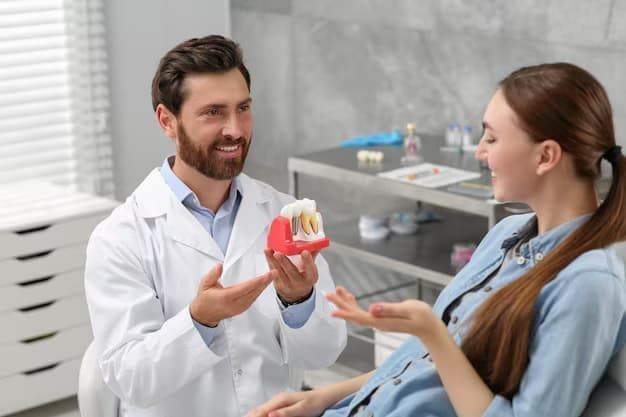
A good consultation should include time to ask questions, discuss benefits, understand alternatives, and learn how a recommendation supports your child's long-term oral health.
If you're searching for a family dentist in Longwood offering sealants, look for a practice that focuses on education as much as treatment. Feeling informed helps you make confident decisions that support your child's smile for years to come.
Final Thoughts
Dental sealants aren't about adding unnecessary treatment, they're about preventing cavities in teeth that are naturally more difficult to keep clean. At the same time, they aren't automatically the right choice for every child.
The best recommendation comes from an individual evaluation that considers your child's oral health, cavity risk and preventive needs.
At Tiralosi Dental & Med Spa, we believe every family deserves clear explanations, personalized care and preventive recommendations that are based on what is truly best for each patient. That's why we encourage parents to ask questions and become active partners in protecting their children's oral health.
Frequently Asked Questions
Do all children need dental sealants?
No. Dental sealants are recommended based on factors such as cavity risk, the condition of the permanent molars, oral hygiene habits and overall oral health. A dental examination helps determine whether they are appropriate.
Why should I choose a family dentist in Longwood offering sealants?
A family dentist can evaluate your child's individual risk for cavities, explain whether sealants are beneficial and provide ongoing preventive care as your child's dental needs change.
At what age are dental sealants usually recommended?
Sealants are commonly recommended after the permanent molars erupt, around ages 6 to 7 for the first molars and 11 to 13 for the second molars. Your dentist will recommend the right timing based on your child's development.
How long do dental sealants last?
Dental sealants can last for several years with proper care. During routine dental checkups, your dentist will examine them and recommend repair or replacement if necessary.
Can adults benefit from dental sealants?
In some situations, adults with healthy molars and deep grooves that have not developed cavities may also benefit from sealants. Your dentist can determine whether they are appropriate for your oral health.